
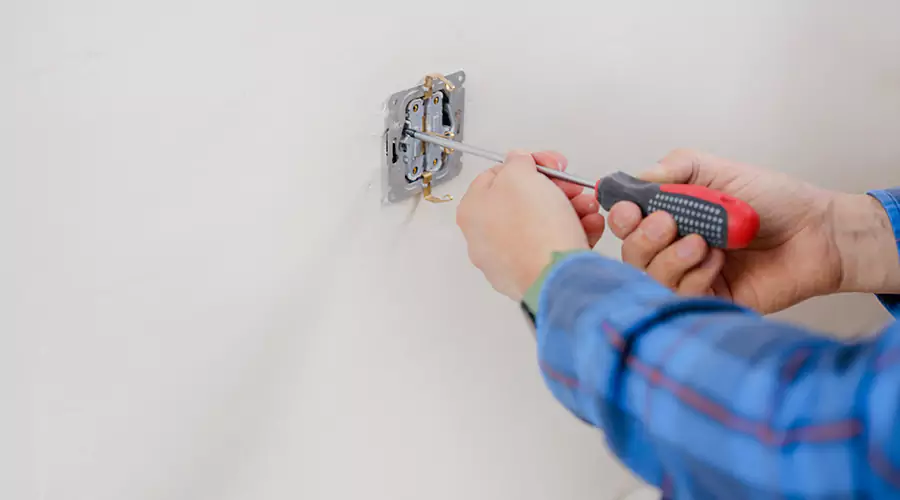
Electrical hazards in your home show clear warning signs that the system is unsafe or failing. Common signs include burning smells near outlets, flickering lights, frequent breaker trips, and warm outlets. You may also notice buzzing sounds or mild shocks when using devices. These issues often point to faulty wiring, overloaded circuits, or grounding problems. Ignoring them increases the risk of fire or injury. Professional electrical inspection services can identify these issues early, and a licensed electrician can inspect your system and identify the cause to restore safety.
What Are Common Signs of Electrical Hazards
Electrical hazards often develop slowly yet show visible symptoms. Recognizing these signs early helps prevent serious damage.
Many homeowners ignore small issues until they become dangerous. Paying attention to warning signs improves safety and prevents costly repairs.
Most Common Warning Signs
- Frequent circuit breaker trips
- Flickering or dimming lights
- Burning smell near outlets or panels
- Warm or discolored outlets
Why Frequent Breaker Trips Indicate Danger
Circuit breakers shut off power when a circuit becomes unsafe. This action prevents overheating and protects wiring.
What Frequent Tripping Means
Repeated tripping means the system is under stress. This often points to overloaded circuits or wiring faults. Ignoring this issue can lead to heat buildup. Over time, this increases fire risk and damages electrical components.
How Flickering Lights Signal Electrical Problems
Lights should remain steady during normal operation. Flickering suggests unstable electrical flow within a circuit.
This problem often results from loose connections or voltage fluctuations. Older systems are more likely to experience this issue. Consistent flickering should not be ignored. It may indicate a deeper wiring problem that requires inspection.
Causes Behind Flickering Lights
- Loose wiring connections
- Overloaded circuits
- Aging electrical systems
What Burning Smells Reveal About Electrical Hazards
A burning odor is one of the most serious warning signs. It often indicates overheating wires or melting insulation.
Why Burning Smells Are Dangerous
Heat buildup can damage wiring inside walls. This increases the chance of electrical fires. Immediate inspection is required.
Why Warm or Discolored Outlets Are Unsafe
Outlets should remain cool during use. Heat or discoloration shows excessive current or poor connections.
Signs of Outlet Danger
- Warm outlet covers
- Brown or black marks
- Melted plastic around plugs
What Buzzing Sounds Indicate
Electrical systems should operate quietly. Buzzing or humming suggests loose connections or electrical arcing.
What These Sounds Mean
Loose wiring can create vibration and noise. Arcing produces heat and increases fire risk.
How Electrical Shocks Indicate a Hazard
Even a mild shock is a serious warning sign. It shows that electricity is not flowing safely through the system. This often points to grounding problems or damaged wiring. Proper grounding is essential for safe operation.
What Causes Electrical Shocks
- Improper grounding
- Damaged wires
- Faulty outlets
Why Old Wiring Creates Safety Risks
Older homes often have outdated wiring systems. These systems may not meet current safety standards.
Common Issues With Old Wiring
- Worn insulation
- Limited circuit capacity
- Outdated materials
What Overloaded Circuits Look Like
Overloaded circuits occur when too many devices draw power at once. This puts stress on the system.
Signs of Overload
- Breakers trip when devices run together
- Lights dim when appliances start
- Warm wires or outlets
When Electrical Panels Indicate a Hazard
The electrical panel controls power distribution in your home. Problems here can affect the entire system.
Warning Signs at the Panel
- Rust or corrosion
- Burning smell
- Breakers that will not reset
Electrical Hazard Risk Levels
Understanding risk levels helps you decide when to act quickly.
| Hazard Sign | Risk Level | Action Needed |
|---|---|---|
| Burning smell | High | Call electrician immediately |
| Frequent breaker trips | Medium | Schedule inspection soon |
| Flickering lights | Medium | Diagnose wiring |
| Warm outlets | High | Stop use and inspect |
| Mild shocks | High | Immediate evaluation |
When Partial Updates May Be Enough
Not all homes require full rewiring. Some issues can be resolved with targeted upgrades.
Situations Where Partial Fixes Work
- Isolated circuit problems
- Single room issues
- Minor upgrades during renovations
When Full Rewiring Is Necessary
Full rewiring is required when multiple issues appear throughout the home. This ensures long-term safety and reliability.
Signs That Full Rewiring Is Needed
Widespread problems suggest the system is no longer safe. Outdated materials increase fire risk. Upgrading the entire system improves performance.
What Happens During a Wiring Inspection
A professional inspection evaluates your system and identifies risks. Electricians use testing tools and visual checks.
What an Inspection Includes
- Checking circuit load
- Inspecting visible wiring
- Testing outlets and breakers
Understanding Electrical Safety Services
Electrical safety services focus on identifying potential hazards that could increase the risk of electrical shocks, fires, or equipment damage. A thorough inspection typically checks wiring, electrical panels, outlets, switches, grounding, and circuit loads to identify issues such as damaged wiring, overloaded circuits, or other safety concerns.
Based on the inspection findings, recommended solutions may include repairs, component replacements, or electrical system upgrades to improve overall safety. All work should follow current electrical codes and safety standards to help reduce hazards and support the reliable, long-term performance of a home's electrical system.
How to Improve Electrical Safety in Your Home
Improving safety starts with addressing known issues and planning upgrades. Preventive steps reduce long-term risks.
Practical Safety Steps
- Replace damaged outlets
- Avoid overloading circuits
- Schedule regular inspections
Why Electrical Codes Matter for Safety
Electrical codes set safety standards for installation and upgrades. Following these codes reduces risk and ensures reliable performance.
Benefits of Code Compliance
- Reduced fire risk
- Safer electrical operation
- Improved system reliability
What Risks Come From Ignoring Wiring Problems
Ignoring wiring issues can lead to serious consequences over time. Electrical problems rarely resolve on their own.
Potential Risks
- Increased fire hazard
- Damage to appliances
- Higher repair costs later
Why Professional Evaluation Is Important
A licensed electrician can identify problems that are not visible. Professional evaluation ensures accurate diagnosis and safe solutions.
Benefits of Hiring an Electrician
- Expert assessment of wiring condition
- Code-compliant recommendations
- Safe and reliable repairs
Final Takeaway for Homeowners
Electrical hazards show clear warning signs such as breaker trips, flickering lights, and burning smells. Recognizing these signs early helps prevent serious damage.
A licensed electrician can inspect your system and recommend the right solution. Addressing issues early improves safety and ensures your home can handle modern electrical demand.